Glasgow’s undergoing a significant green revolution and has numerous growing sites around the city that supply restaurants and cafes as well serving the local communities. Why is this signficant ahead of the city hosting the UN Climate Change Conference next year? Read on ...
[This exclusive report was first published in the Sunday National on October 18, 2020.]
Glasgow greens took centre stage in a cooking competition aimed at mashing the city’s reputation for poor dietary health – and showcasing the world-class produce being grown on some remarkable sites across the city.
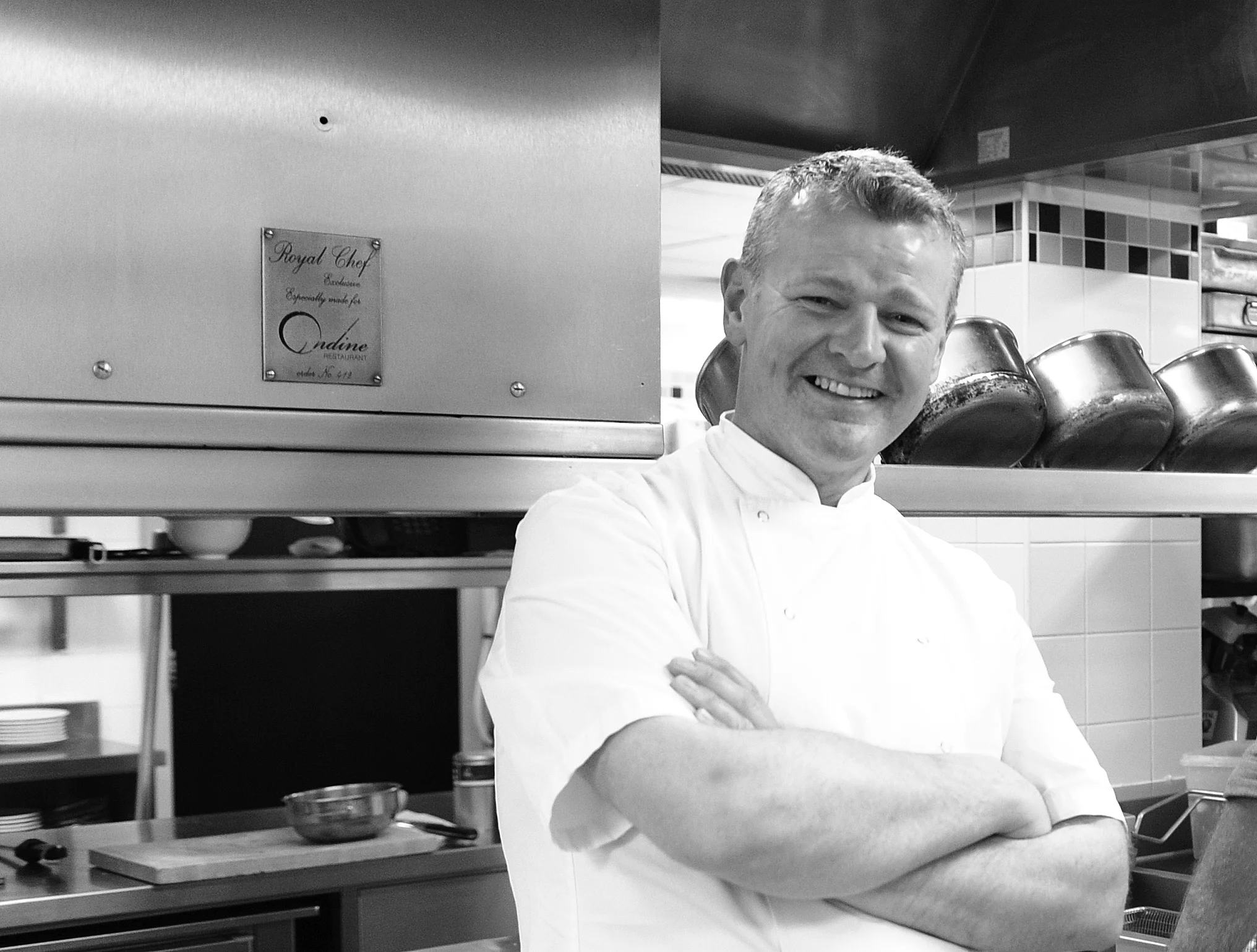
Smoked chard replaced the deep-fried Mars Bar and hispi cabbage overtook crispy pizza on World Food Day last Friday [Oct 16] as three Glasgow chefs convened in an East End market garden to compete in the final of the Veg Cities Chefs’ Challenge 2020 under the watchful eye of head judge Gary Maclean, MasterChef the Professionals winner and Scotland’s national chef. The heat was on as the rivals strove against the odds to produce a range of new plant-based dishes made with local, naturally grown ingredients with zero food miles or food waste.
The Masterchef-style cook-off, backed by the UK-wide Sustainable Food Cities network and organised by the Glasgow Community Food Network, is now in its third year in Glasgow but for the first time took place in the open air due to Covid-19 restrictions. A barbecue and two camp fires erected at Greenheart Growers market garden in Tollcross - formerly the drying green of a Victorian steamie - replaced the professional stoves at City of Glasgow College, where it normally takes place.
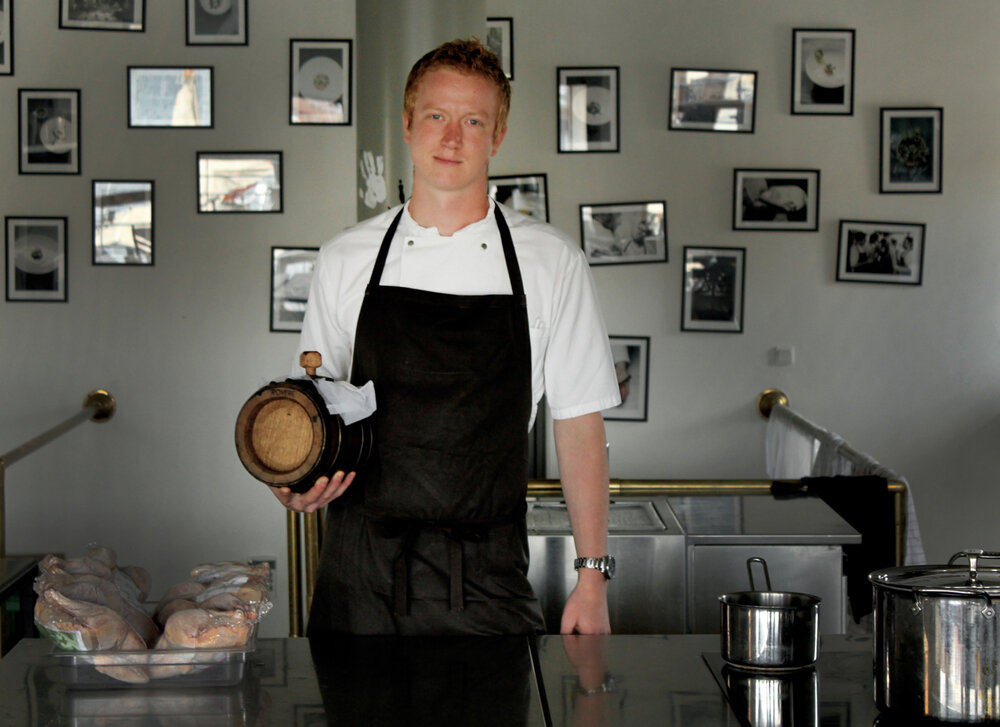
Finalists Keir Irvine of Le Petit Cochon, Robbie Kirkman of Eusebi’s and John Traynor of the Under Cover Dinner Society - selected from nine rival competitors - had to create new dishes from a mystery box of city-grown produce of a variety that would confound Glasgow’s reputation as an unreconstructed No Mean City. Here were on-trend seasonal flavours, colours and textures: candy beetroot, tiny salad turnips, baby carrots and leeks, red celery, sweet cicely, lemon balm, nasturtium seed pods and shoots, celeriac and lacto-fermented Ayrshire tatties. Foraged elderberry vinegar, croft eggs, Glasgow honey, Mossgiel milk and a range of heritage Scots products including Golspie Mill peasemeal, Barony Mill beremeal, Scotland The Bread organic wheat flour and sourdough starter helped the chefs’ creative juices flow.
Produce was supplied by an astonishing range of growers from across the city including the Springburn food hub; Maryhill community garden on a former whisky bond site; St Paul’s Youth Garden at Blackhill’s Growing in Provanmill; and a hydroponic growing space in an old railway arch in Tradeston.

John Traynor won the Green Colander Award for his peasemeal, Ayrshire potato and apple porridge (pictured above) and three-vegetable kebab. His dessert of apple and celeriac beremeal sponge, sweet cicely custard and crystallised blackcurrant leaves was deemed “as good if not better than anything you’d eat in a Michelin-starred restaurant” by head judge Gary Maclean. Robbie Kirkman’s fermented potato pancake with beets three waysm salsa verde and carrot tops (below) illustrated how colourful - and tasty - the city-grown veg can be.

Adding extra nuance to this year’s event was the fact that it runs concurrently with newly-launched public consultation on the Glasgow City Food Plan, the first of its kind in Scotland. Backed by Glasgow City Council and NHS Greater Glasgow and Clyde NHS Board among others it aims to help Glasgow in its commitment to become carbon neutral by 2030 and to make healthy, affordable food accessible for everyone living and working in the city.
A major restriction is the lack of growing space for greater volume and diversity. Food deserts and food swamps persist, and there are concerns that while the city’s restaurants are celebrated, local food growing is not.
Glasgow currently has three market gardens, around 90 community gardens and growing spaces and 32 allotments sites. Yet two-thirds of the population reports eating fewer than five portions of fruit and veg a day, and 12% report eating none. Organisers want more growing spaces on the city’s 1300 hectares of vacant and derelict land across 925 sites and for public services to buy and sell healthier and more sustainable food and support local businesses.
Glasgow currently has three market gardens, around 90 community gardens and growing spaces and 32 allotments sites. Yet two-thirds of the population reports eating fewer than five portions of fruit and veg a day, and 12% report eating none. Organisers want more growing spaces on the city’s 1300 hectares of vacant and derelict land across 925 sites and for public services to buy and sell healthier and more sustainable food and support local businesses.
The Veg Cities Chefs’ Challenge also chimes with the ambitions of the UN Climate Change Conference (COP26), postponed because of Covid-19 pandemic and rescheduled to be held in Glasgow next November.
It’s anticipated that in addition to the 30,000 delegates from around the world, thousands of global climate activists and campaigners will also descend on the city and seek out hyper-local, high-welfare, ethical, sustainable and affordable food experiences.
“Glasgow’s called the Dear Green Place, but people don’t think of it as somewhere you can grow superb, healthy fresh food that has zero food miles,” said Chefs’ Challenge organiser Grant Reekie of the Glasgow Community Food Network. “Springburn, Parkhead and Tradeston aren’t places naturally associated with gourmet ingredients, but we are out to prove how wrong that is.
“The whole point of the Chefs’ Challenge is to show what Glasgow is doing and how it’s possible for every citizen to eat more vegetables if we have enough land and resources to grow them and more shops, restaurants and cafes to sell them.”
Gary Maclean said: “This competition illustrates how progressive Glasgow is. Events like this showcase how incredibly good our produce is and how it chimes with the greater movement towards local, sustainable ingredients and zero food waste.
“Seeing the guys cooking fresh produce in the environment it was grown in is incredibly exciting – and full of potential.”
©2020 Cate Devine. Copyright of the text and images on this website belongs to Cate Devine unless otherwise stated. Please contact me for any commissions, or to comment on current issues.